
- Home
- Video Transcoding Chip
Video Transcoding Chip
Video Transcoding Chip The video transcoding chip is the central processing unit for video processing in the media gateway. It offloads the complex encoding and decoding workload directly from the host system; the number of cores, clock frequency and process technology directly determine channel capacity and energy efficiency. The product series comprises two generations, 7 nm (1st generation) and 5 nm (2nd generation), covering 320 to 640 channels of 1080p@30fps and resolutions of up to 12K. The chip supports the H.264, HEVC, VVC and AV1 standards at 8 and 10 bit and is suited for applications such as broadcasting, short video, live streaming and video conferencing. Video streams can be transmitted either via 25GE/10GE Ethernet or via the PCIe host interface, allowing the chip to integrate flexibly into different server and network architectures.
Chip main feature
The chip is designed specifically to accelerate video transcoding by offloading the complex encode/decode processing from the host to the chip. It is also capable of sending and receiving video streams via either Ethernet or host interface.
Parameter Overview
ITEM | Feature and specification |
Video Encoder/Decoder | H264 8/10bit |
Capacity | 6400 1080p@30fps |
Ethernet | 25GE/10GE |
Host interface | PCIE |
Output Resolution | 4k/8k UHD 60/120HZ |
Max frequency | 1.5Ghz |
Ambient Temperature | 0°C – 45°C |
Product application and market capacity
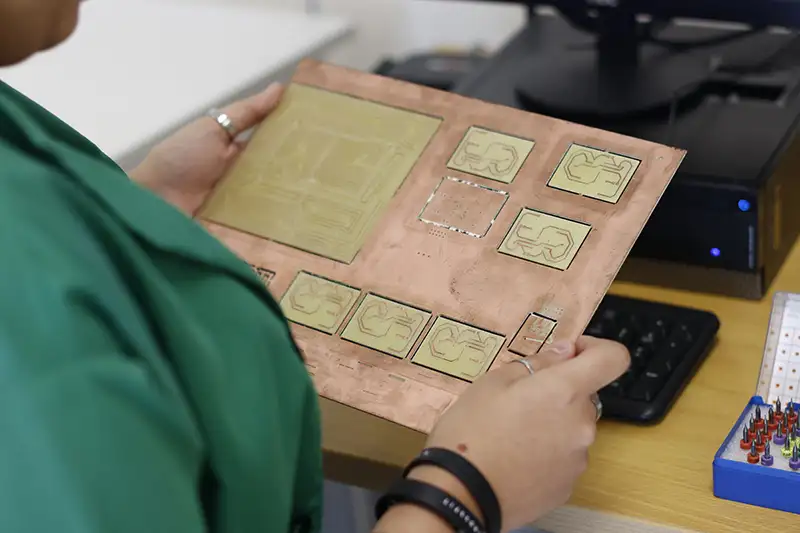
This video transcoding chip is designed for a wide range of video applications. Its high performance, low power consumption, and advanced features make it ideal for use in a variety of industries, such as broadcasting, media and entertainment, and internet (including short videos, live broadcasts, and video conferencing). Compared to traditional CPU/GPU solutions, this video transcoding chip provides a significant increase in deployment density and energy efficiency. This feature is highly beneficial as it significantly reduces the cost of video transcoding in related fields.
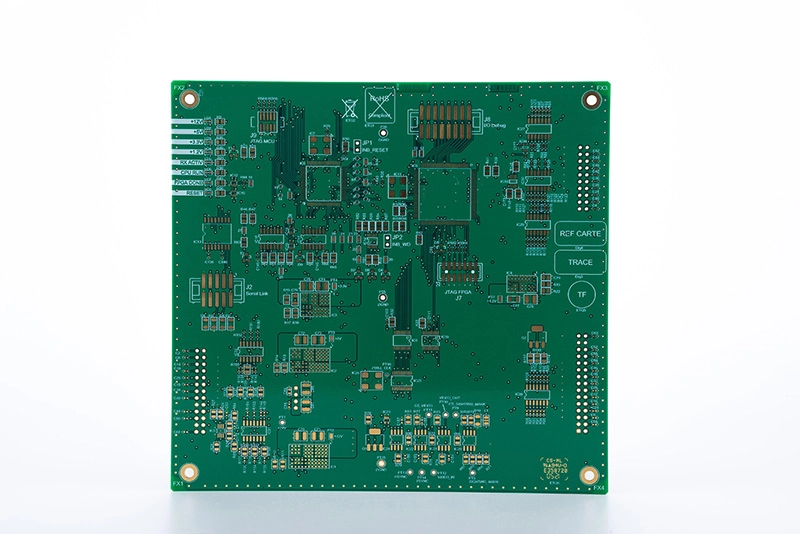
With the widespread use of the internet, smartphones, and IoT devices, the transmission and consumption of video content have experienced explosive growth. Moreover, higher-quality video formats (such as 4K and 8K) and emerging video encoding and decoding standards (such as AV1) have raised the performance and efficiency requirements of video transcoding chips. As a result, the video transcoding chip market is expected to continue to grow. According to a report by MarketsandMarkets, the global video transcoding market is projected to grow from $2.3 billion in 2022 to $3.3 billion by 2027, at a compound annual growth rate (CAGR) of 7.6% during the forecast period. The dedicated chips and hardware are expected to dominate the market in terms of market share during the forecast period.
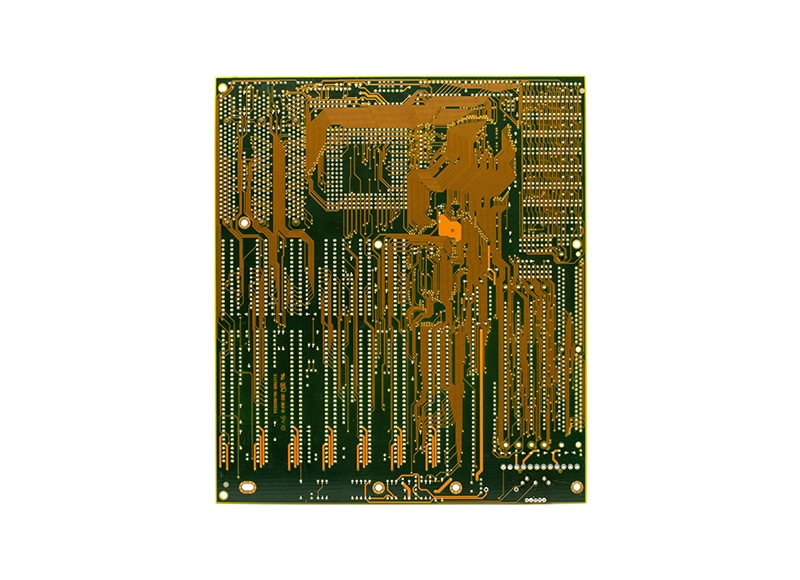
The leading customers of this product include internet video company and broadcasting telecommunications operators and so on. These customers have expressed strong interest in this product. According to market research, each leading customers have an annual demand for several thousand chips. The company expects that after the product launch, it will be able to ship more than 10,000 chips annually for each model.
Roadmap
1st Generation: 7nm
320 1080p@30fps; Supports up to 8K resolution; 2023Q3 TO; 2024Q2 MP.
2nd Generation: 5nm
640 1080p@30fps; Supports up to 12K resolution; 2025Q3 TO; 2026Q2 MP.
- 256/512 Sensor input
- 48 pairs of signal differential comparators
- 512 GPIO In/Out
- 2-Dimensional distance calculator for Traffic Safety Monitor
- Real-time Event Trigger Alarms with programmable threshold
- Voice recognition command control
- Wifi Master Station controller integrated with external WAN/Satellite Birational-link
Other
The second generation integrated more sophisticated features targeted new commercial SUV/MVP market,that allow corporate VIP maintains their business activities and communication while travelling.
More into comfortable environment and control support, safety monitor and traffic jam alarm forecast system will become essential function for VIP passengers to pre-dominate the alternative route to save more time when travelling.