
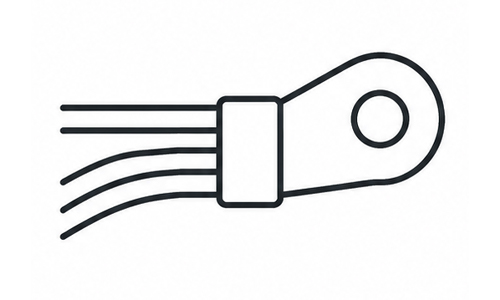
wire harness to terminal welding
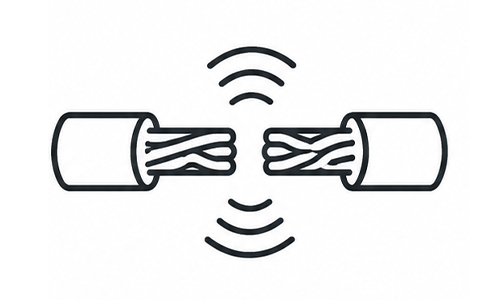
wire-to-wire welding
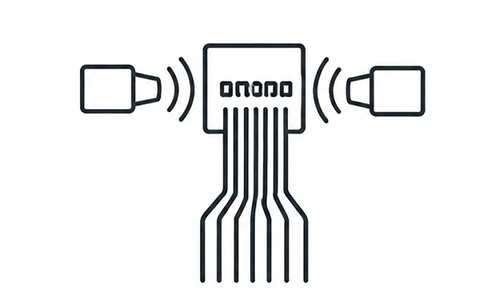
FPC welding
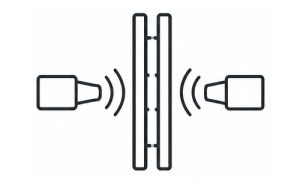
Double-sided welding
Automotive · Electronics
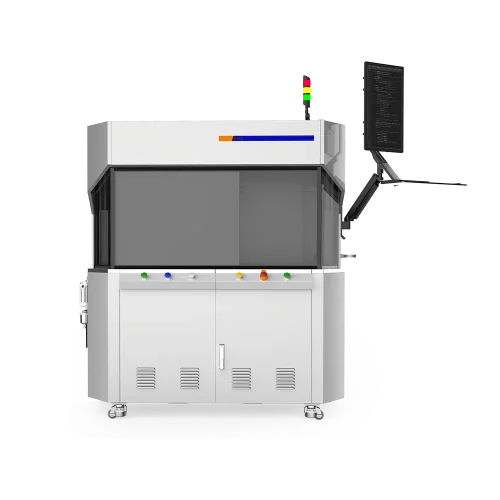
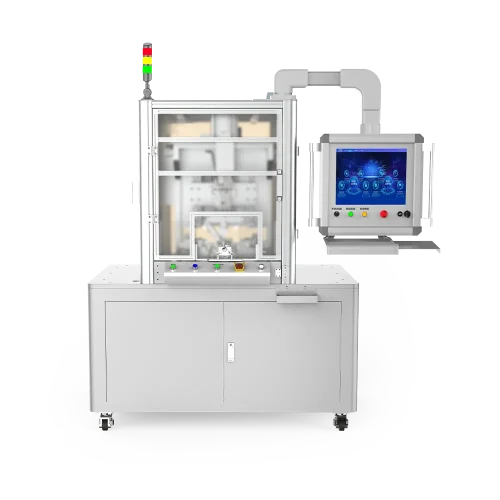
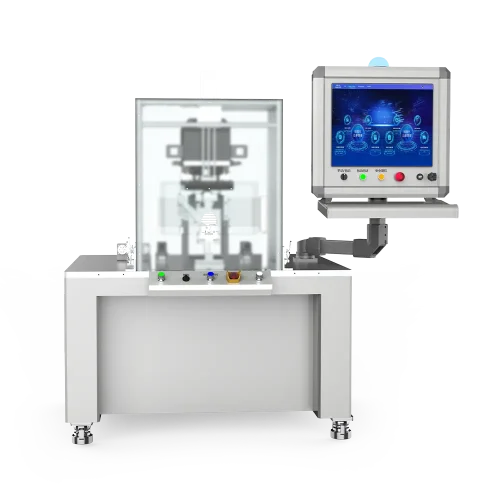
Ultrasonic welding enables the precise and reproducible joining of copper and aluminum conductors as well as various cable and terminal components. Through mechanical ultrasonic vibration, the parts to be joined are bonded together under a defined force without the need for solder or flux.
The process is suitable for various cable cross-sections, conductor materials, and connection geometries. Process parameters such as welding force, amplitude, and welding energy can be specifically adapted to the respective application.
Our ultrasonic cable welding systems are used, among other things, in the Automotive industry, electromobility, power electronics and cable assembly deployed.
Depending on the application, our systems are suitable for various conductor and contact materials.
The appropriate welding technology is selected based on the material, cross-section, component geometry, and desired joint quality.
Ultrasonic welding for wiring harnesses, electrical connections, terminals, and automotive electrical components.
Connectors for high-current applications, batteries, electric drive systems, and charging infrastructure.
Welding of copper and aluminum conductors, busbars, and electrical contact components.
Reproducible connections for various cable types, conductor cross-sections, and contact geometries.
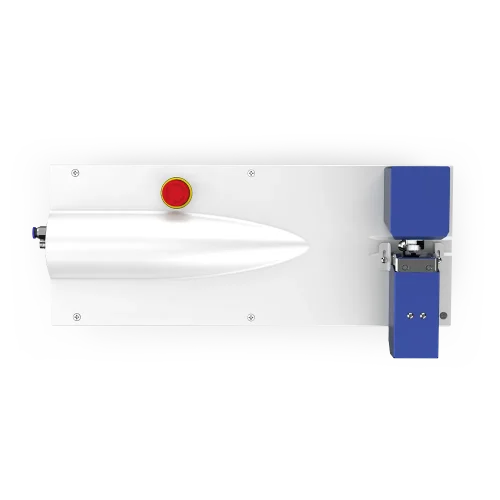
Not every cable connection can be optimally implemented using a standard process. Therefore, the ultrasonic frequency, sonotrode, anvil, and process parameters can be tailored to the specific application.
We can assist you in selecting the right system, designing the process, and testing your cable and connector application.
Please contact us for a personalized consultation and feasibility study.
We use cookies to improve your browsing experience, serve personalized ads or content, and analyze our traffic. By clicking „Accept All“, you consent to our use of cookies. For more information, please see our Cookie Policy.