- Products
- Sonotrode
Sonotrode
Category Components
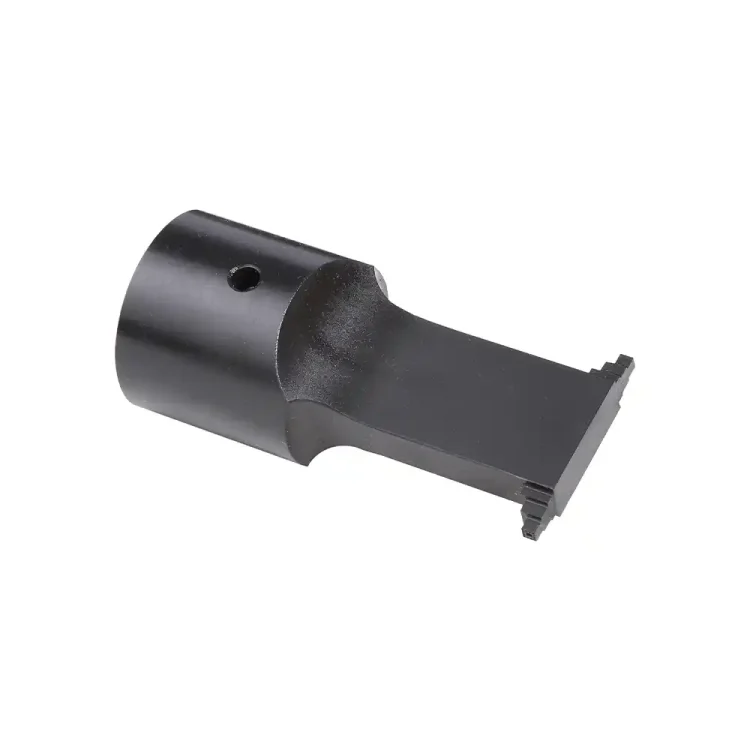
The sonotrode is a key tooling component in ultrasonic welding systems. It resonates through high-frequency mechanical vibrations and comes into direct contact with the workpiece to transfer ultrasonic energy precisely to the welding area. The amplitude distribution, acoustic performance, and service life of a sonotrode are closely related to its structural design, material selection, and manufacturing accuracy.
Depending on the application requirements, sonotrodes can be manufactured from materials such as steel, titanium, or aluminum to achieve optimal energy transfer, wear resistance, and fatigue life. With proper weld design and acoustic optimization, they help improve welding stability, process consistency, and product quality.
Depending on the application requirements, sonotrodes can be manufactured from materials such as steel, titanium, or aluminum to achieve optimal energy transfer, wear resistance, and fatigue life. With proper weld design and acoustic optimization, they help improve welding stability, process consistency, and product quality.
Application Range
Product Advantages
- Application-Specific Consulting
- Optimized Weld Design
- Innovative Tooling Solutions
- Efficient Tool Design
Technical Specifications
- Materials: steel, titanium, aluminum
- Efficient ultrasonic energy transfer
- Optimized amplitude distribution
- High wear resistance and fatigue strength
- Custom design available
Ultrasonic cutting blades enable precise and repeatable cutting of various materials. The ultrasonic vibration supports the cutting process and is adapted to the specific application.
Suitable for, among other things: textiles, films,
rubber, composite materials, tire cord, other elastic and technical materials,
The blade geometry, material, and surface coating can be selected according to the specific cutting application.
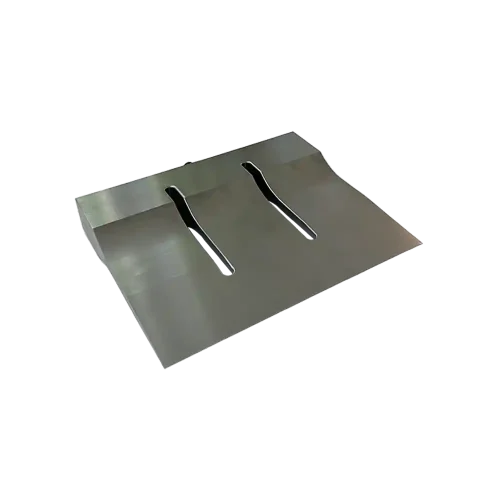
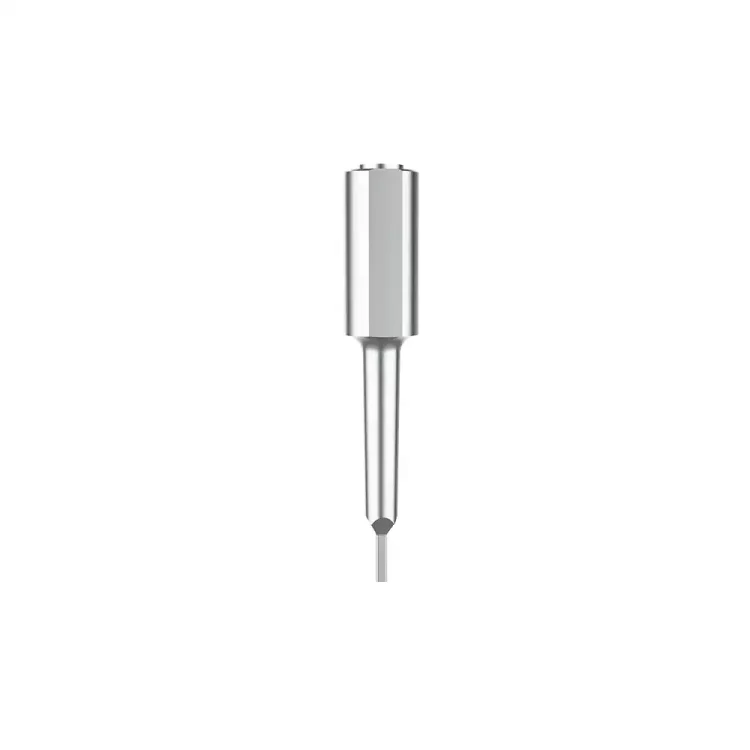
Probes are key components for non-destructive ultrasonic testing. They are used to detect and analyze ultrasonic signals in various components and materials.
Typical applications include: semiconductor packages, IGBT and SiC power modules, DBC substrates, water-cooled heat sinks, composite materials, and other precision components
Depending on the inspection task, the frequency, focus, and probe geometry can be adapted to the specific component and the desired resolution.
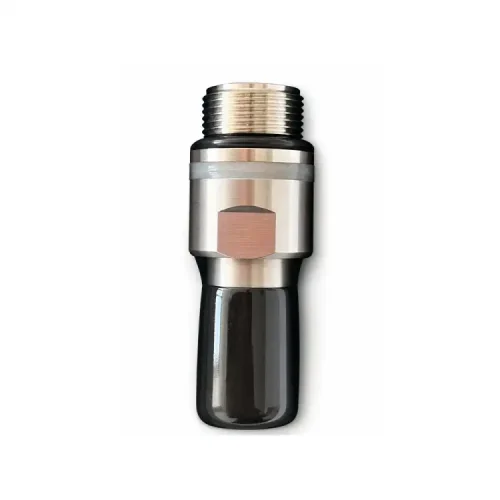
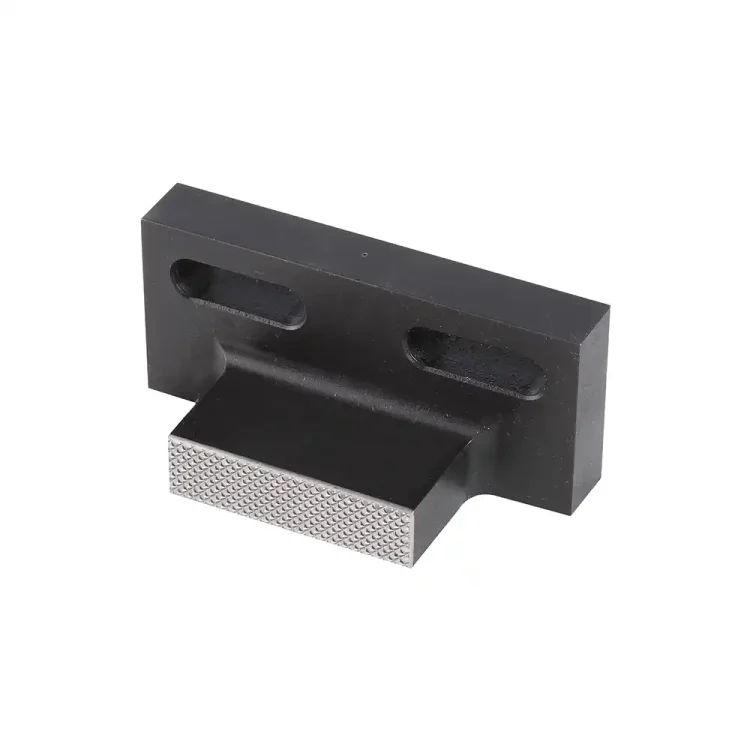
The anvil serves as a counterpart to the sonotrode and holds the workpiece in place during ultrasonic welding.
Precise adaptation to the component geometry, welding area, and process requirements is crucial for stable workpiece positioning and reproducible weld quality.
Magntek offers custom-designed anvils for various welding applications.
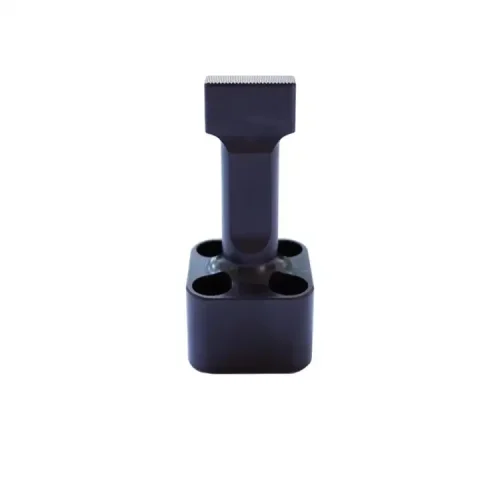
The booster transmits the ultrasonic vibration from the transducer to the sonotrode and can increase or decrease the amplitude to meet specific process requirements.
By selecting the appropriate booster, the ultrasonic amplitude can be adapted to the material, component geometry, and welding task.
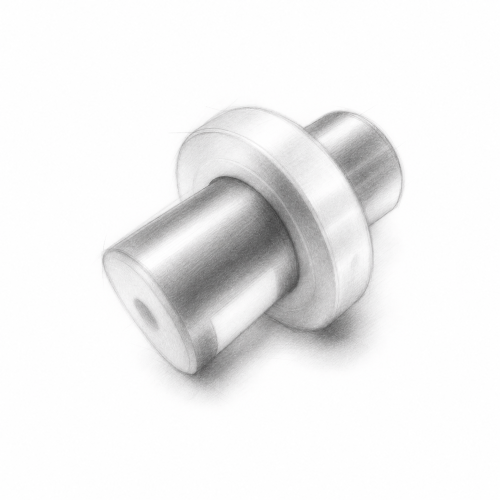
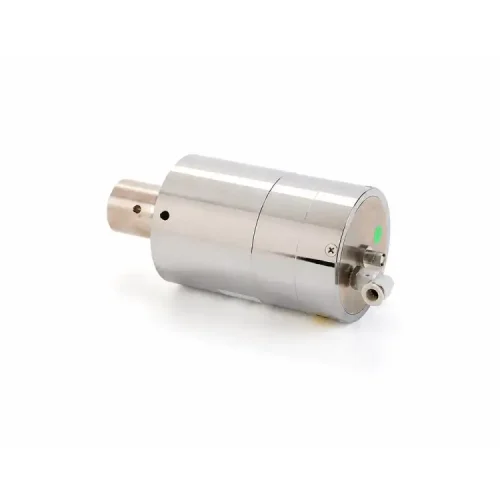
The transducer converts the electrical signal from the ultrasonic generator into mechanical ultrasonic vibrations. Selecting the right transducer is crucial for stable and efficient transmission of ultrasonic energy.
Available frequencies: 20 kHz, 30 kHz, 35 kHz, 40 kHz, 60 kHz
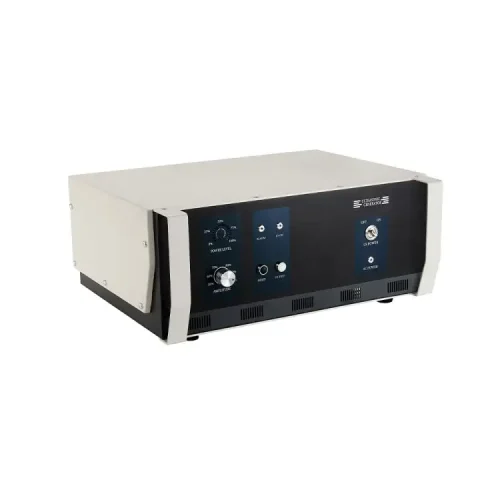
Ultrasonic generators convert electrical energy into a high-frequency signal suitable for the specific process and form the basis for a stable ultrasonic process.
Available frequencies: 20 kHz, 30 kHz, 35 kHz, 40 kHz, and 60 kHz
The selection of the appropriate generator depends on the application, frequency, power, and the ultrasonic system used.