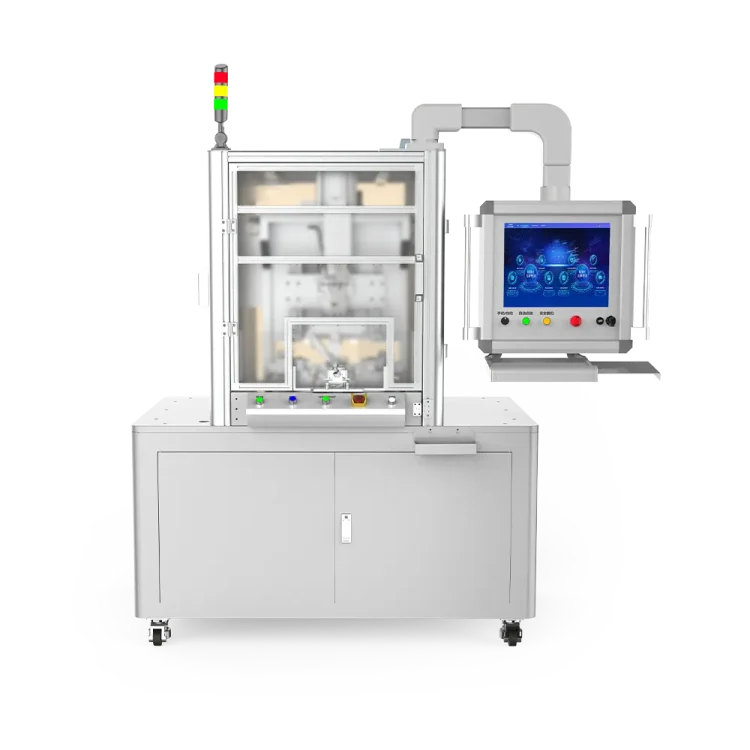
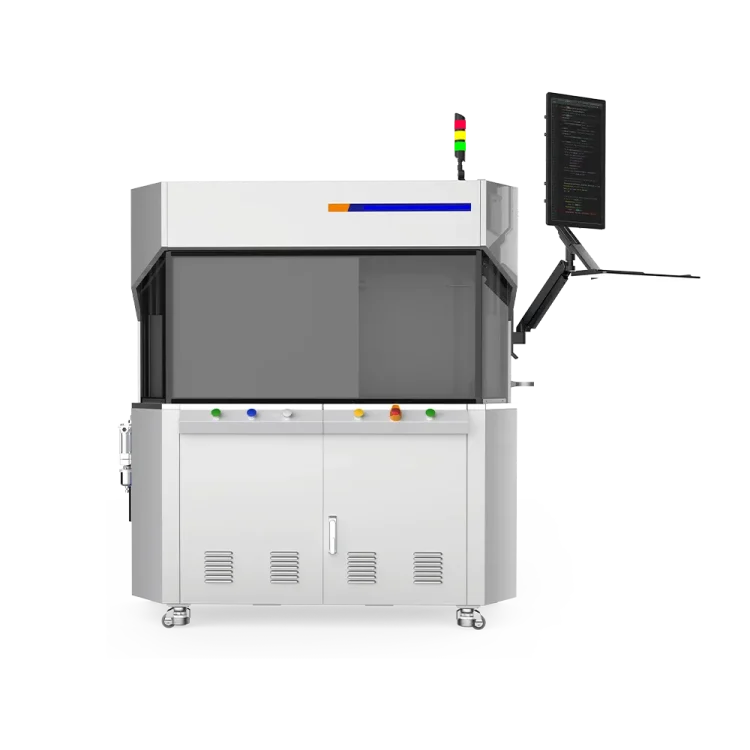
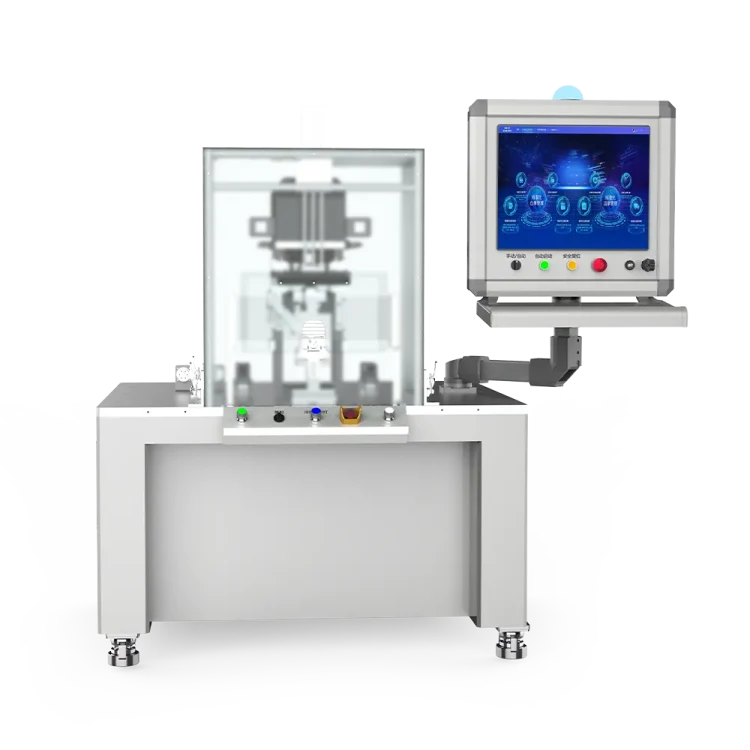
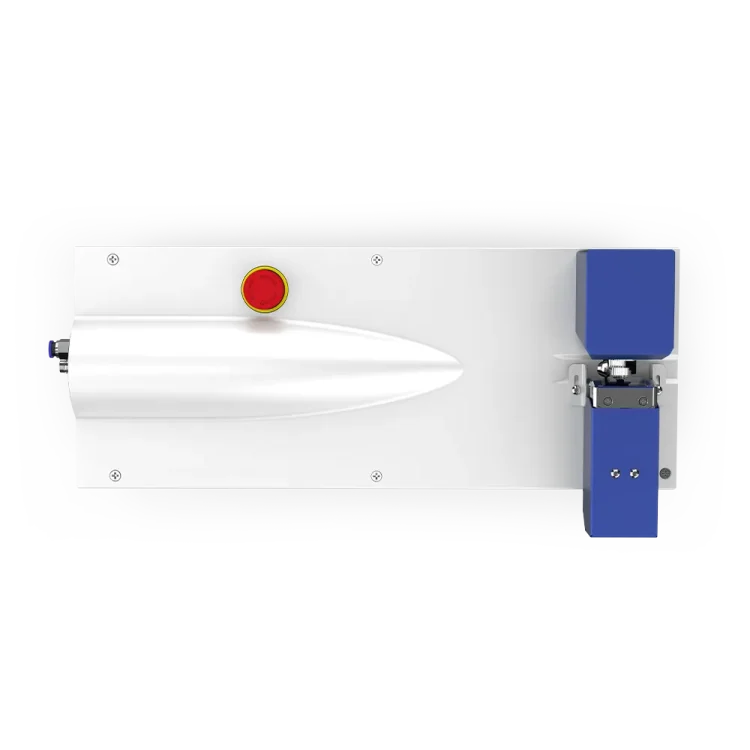
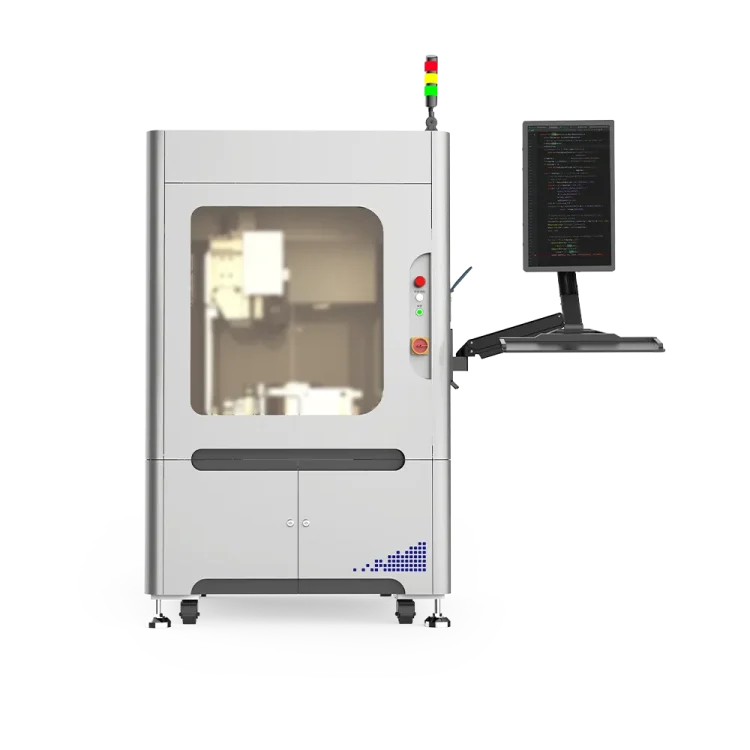
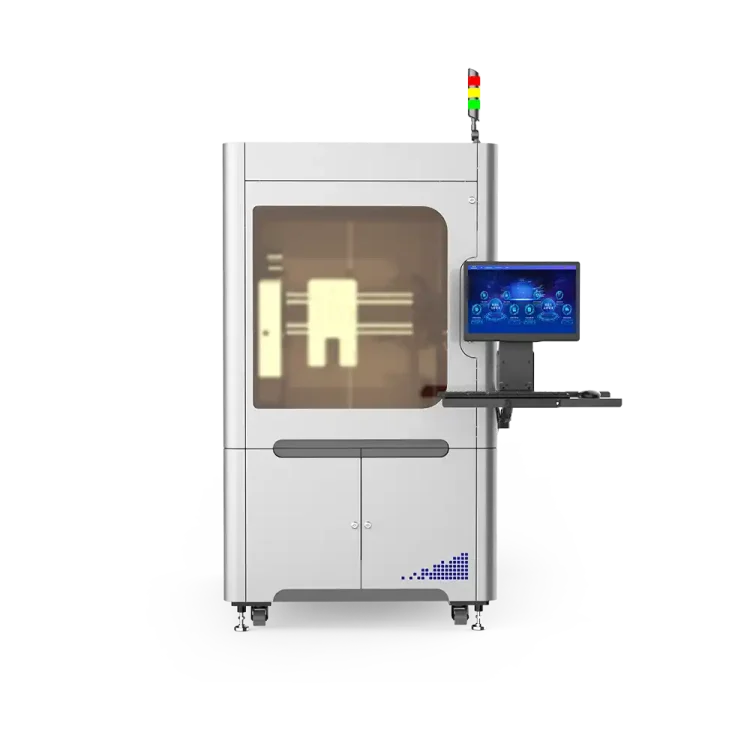
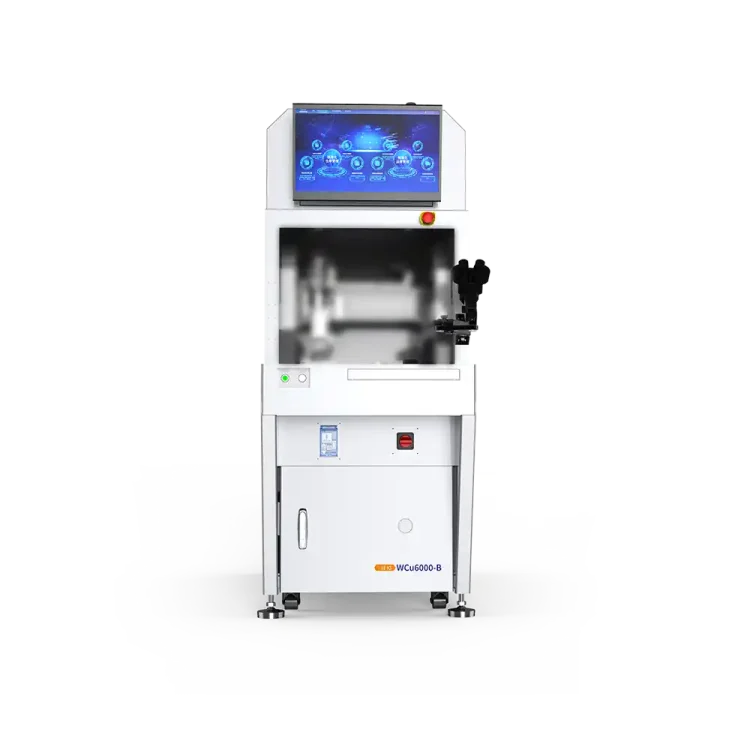
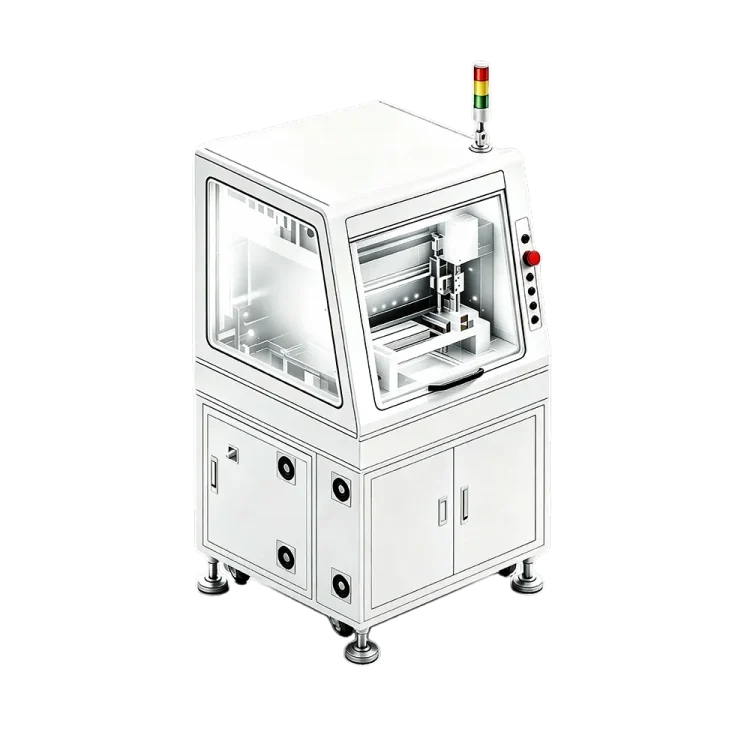
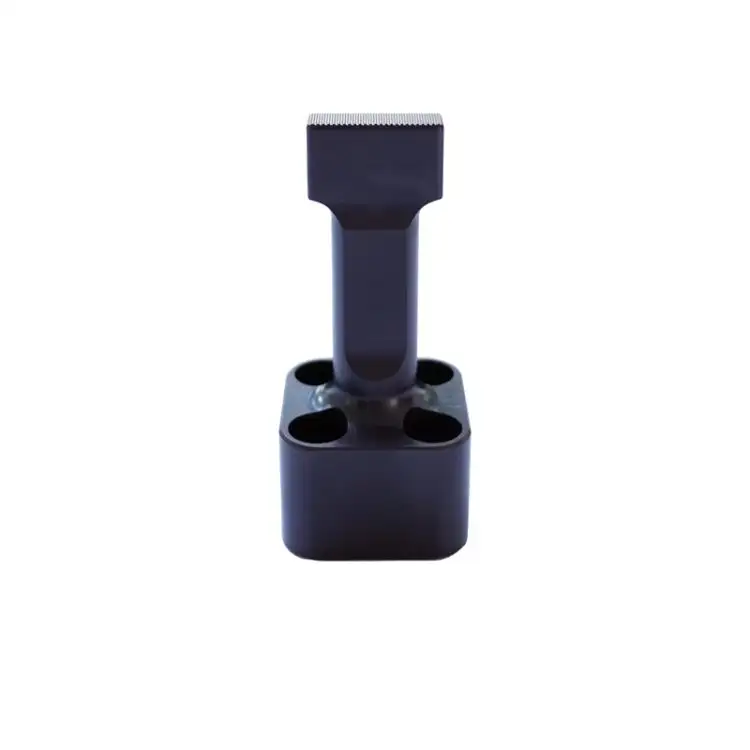
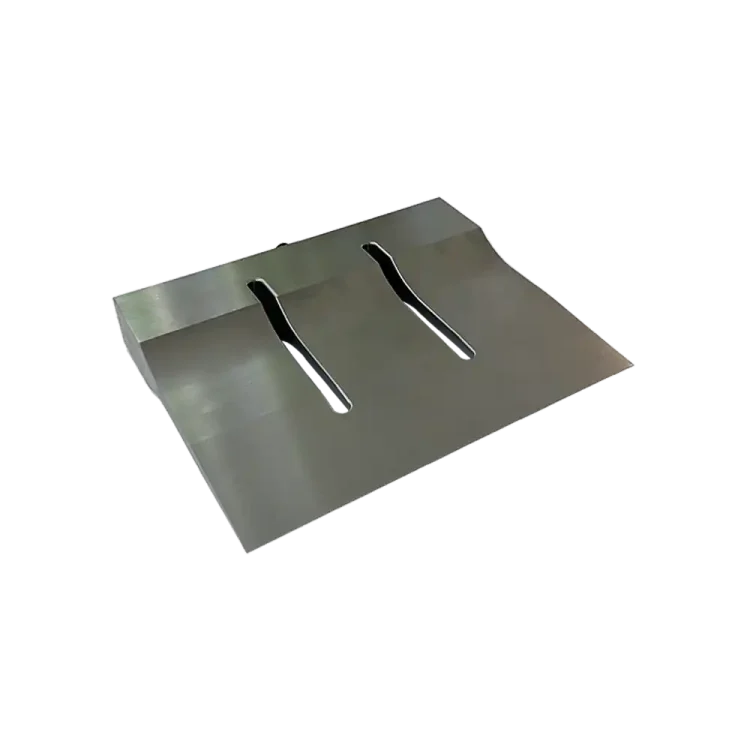
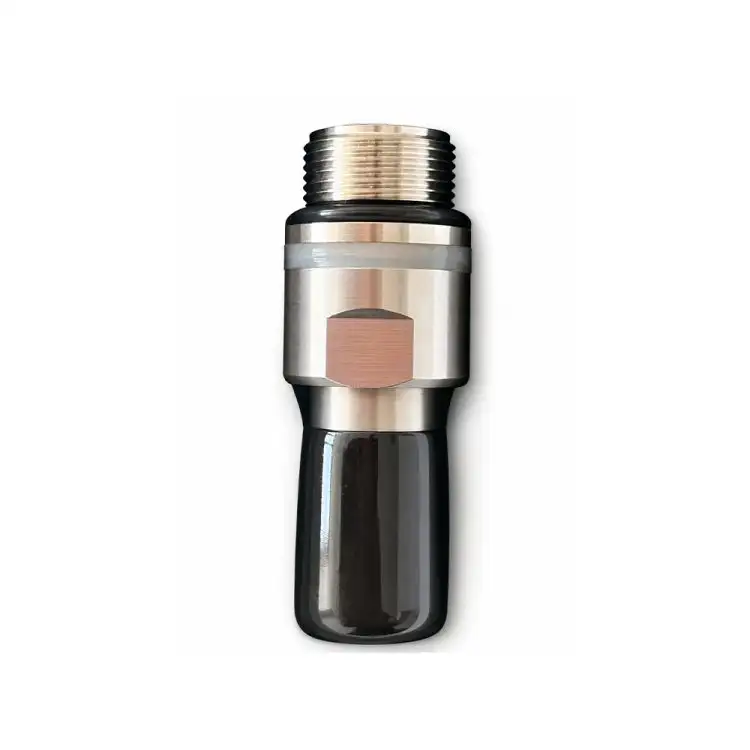
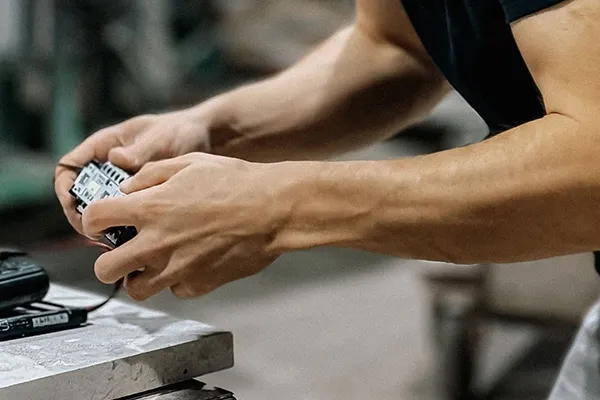
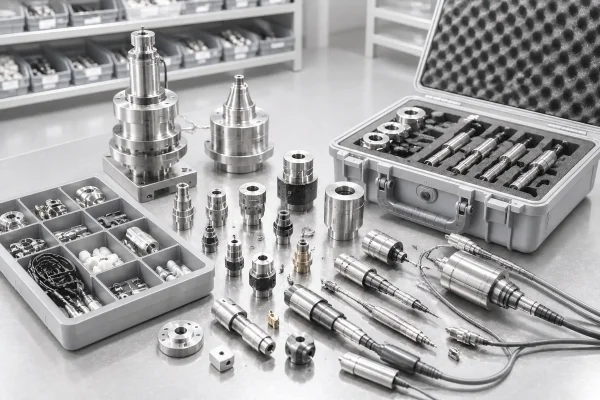
From industrial cable connections and power electronics to non-destructive ultrasonic testing, Magntek offers high-performance systems for demanding manufacturing and testing processes.
From cable and semiconductor manufacturing to ultrasonic testing and tire processing, we offer reliable solutions for demanding industrial applications. Precision, process reliability, and quality are always at the core of what we do.
Maximum precision for demanding requirements Cutting tasks
Service
Sales and after-sales service
From selecting the right system, to commissioning and process support, all the way to spare parts and maintenance—we support our customers throughout the entire lifecycle of the plant.
Frequently Asked Questions about our ultrasound solutions
What is ultrasonic welding?
Ultrasonic welding joins thermoplastics or metals through high-frequency vibrations. The method enables fast, precise, and reliable connections without additional materials.
How does an ultrasonic generator work?
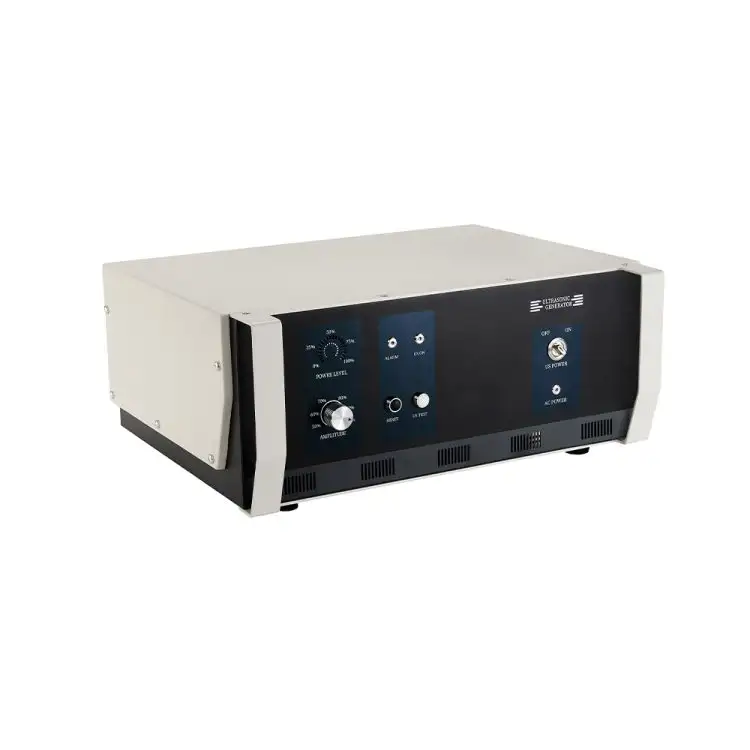
An ultrasonic generator converts electrical energy into high-frequency oscillations. He controls the power precisely and ensures stable welding processes.
What is SAM Inspection?
SAM Inspection (Scanning Acoustic Microscopy) uses ultrasonic waves for non-destructive material testing. The technology detects internal defects, delaminations, and structural flaws with high accuracy.
What are the advantages of ultrasonic testing?
Ultrasonic testing enables rapid and non-destructive analysis of components. It improves quality assurance through the early detection of invisible defects.
What materials is ultrasonic welding suitable for?
Ultrasonic welding is particularly suited for thermoplastics and certain metals. The process enables fast, clean, and precise joints without the need for additional adhesives or fasteners.
What frequencies are used in ultrasonic welding?
Ultrasonic welding frequently uses frequencies of 15, 20, 30, 35, or 40 kHz. The appropriate frequency depends on the material used, the component geometry, and the desired welding result.
In which industries is ultrasonic testing used?
Ultrasonic testing is used in the automotive industry, the electronics industry, aerospace, medical technology, energy technology, and mechanical engineering, among other fields. It is suitable for the non-destructive testing of welds, materials, and components.
What defects can be detected with ultrasonic testing?
Ultrasonic testing can be used to detect cracks, shrinkage cavities, lack of fusion, inclusions, pores, and other internal irregularities, among other things. This enables components to be tested non-destructively and potential quality issues to be identified at an early stage.
Contact Us
The right ultrasonic solution for your application
Eine zuverlässige Verbindungstechnologie für Kupfer, Aluminium und große Leiterquerschnitte Elektrische Verbindungen müssen heute nicht nur mechanisch stabil sein. Auch niedriger elektrischer Widerstand, reproduzierbare Qualität, kompakte
Kontaktierung von Aluminium mit Ultraschallschweißen Aluminium wird in elektrischen Bordnetzen und anderen elektrischen Anwendungen zunehmend dort eingesetzt, wo Gewicht, Bauraum und Kosten eine wichtige Rolle
We use cookies to improve your browsing experience, serve personalized ads or content, and analyze our traffic. By clicking „Accept All“, you consent to our use of cookies. For more information, please see our Cookie Policy.
Functional
Always active
The technical storage or access is strictly necessary for the legitimate purpose of enabling the use of a specific service explicitly requested by the subscriber or user, or for the sole purpose of carrying out the transmission of a communication over an electronic communications network.
Preferences
The technical storage or access is necessary for the legitimate purpose of storing preferences that are not requested byয়ন the subscriber or user.
Statistics
The technical storage or access that is used exclusively for statistical purposes.The technical storage or access that is used exclusively for anonymous statistical purposes. Without a subpoena, voluntary compliance on the part of your Internet Service Provider, or additional records from a third party, information stored or retrieved for this purpose alone cannot usually be used to identify you.
Marketing
The technical storage or access is required to create user profiles to send advertising, or to track the user on a website or across several websites for similar marketing purposes.